The Tea · Perspective
Supporting Those Who Support Us: A Call to Action for Mental Wellness Month
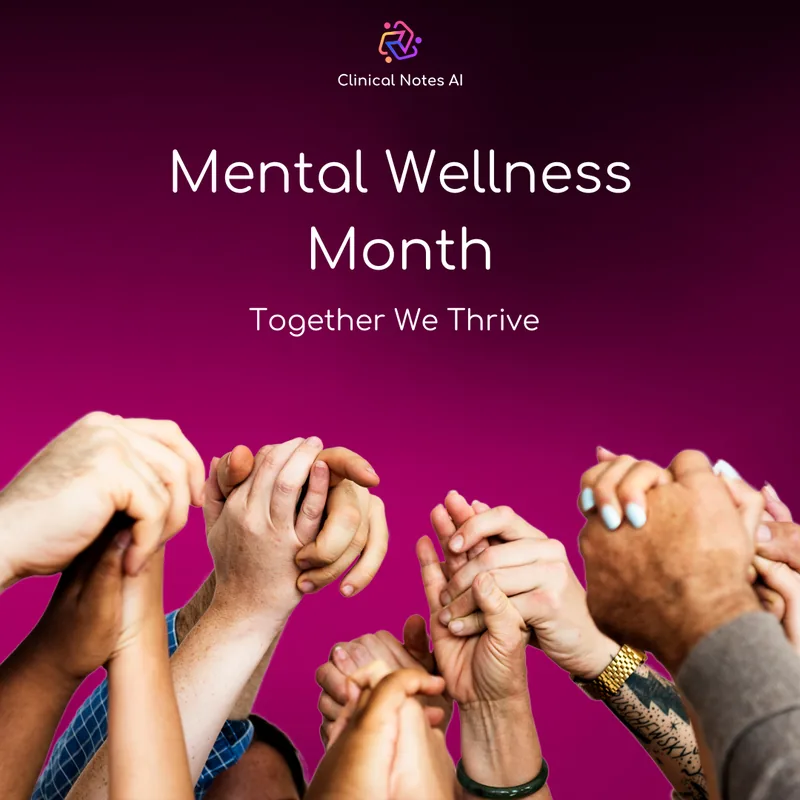
As we usher in a new year, January provides a meaningful opportunity to reflect, recalibrate, and prioritize mental well-being. Mental Wellness Month, observed each January, is dedicated to fostering awareness about the importance of mental health and the interconnectedness of emotional and physical well-being.
While much of the dialogue focuses on individual self-care, there’s an urgent need to shine a spotlight on an often-overlooked group: clinicians and caregivers. These professionals, the backbone of our behavioral health system, are facing unprecedented levels of burnout and stress.
The Behavioral Health Crisis
- Growing Patient Need: The WHO reports that one in four people globally will be affected by mental illness; in the U.S., 46.6 million adults experience mental illness annually, with rising cases among youth.
- Clinician Burnout: Over 50% of behavioral health providers report symptoms of burnout, including emotional exhaustion and compassion fatigue — exacerbated by administrative burdens.
- Impact on Care Access: Provider shortages and long waitlists make timely care difficult, creating a feedback loop of strain for clinicians and patients alike.
Why Supporting Clinicians Matters
1. Clinician well-being enhances patient care. Burnout diminishes a clinician’s ability to connect with patients; supporting wellness improves the quality of care.
2. Addressing burnout retains talent. Tackling causes like excessive administrative tasks helps retain experienced professionals and attract new ones.
3. Fostering systemic change. Supporting clinicians creates systemic changes that improve the sustainability of behavioral health care for everyone.
Practical Solutions
For individual clinicians: practice self-care, build a support network, and seek professional support designed for caregivers.
For organizations: streamline administrative tasks, prioritize wellness programs, and promote open communication.
For policymakers and advocates: increase funding, support workforce development, and advocate for systemic change including fair reimbursement and reduced regulatory burdens.
Building a Future of Resilience
This Mental Wellness Month, let’s make a collective commitment to improving the behavioral health system by focusing on the well-being of clinicians and caregivers. Clinicians dedicate their lives to helping others — it’s time we do the same for them.
Clinical Notes AI: We help the people who help people.